
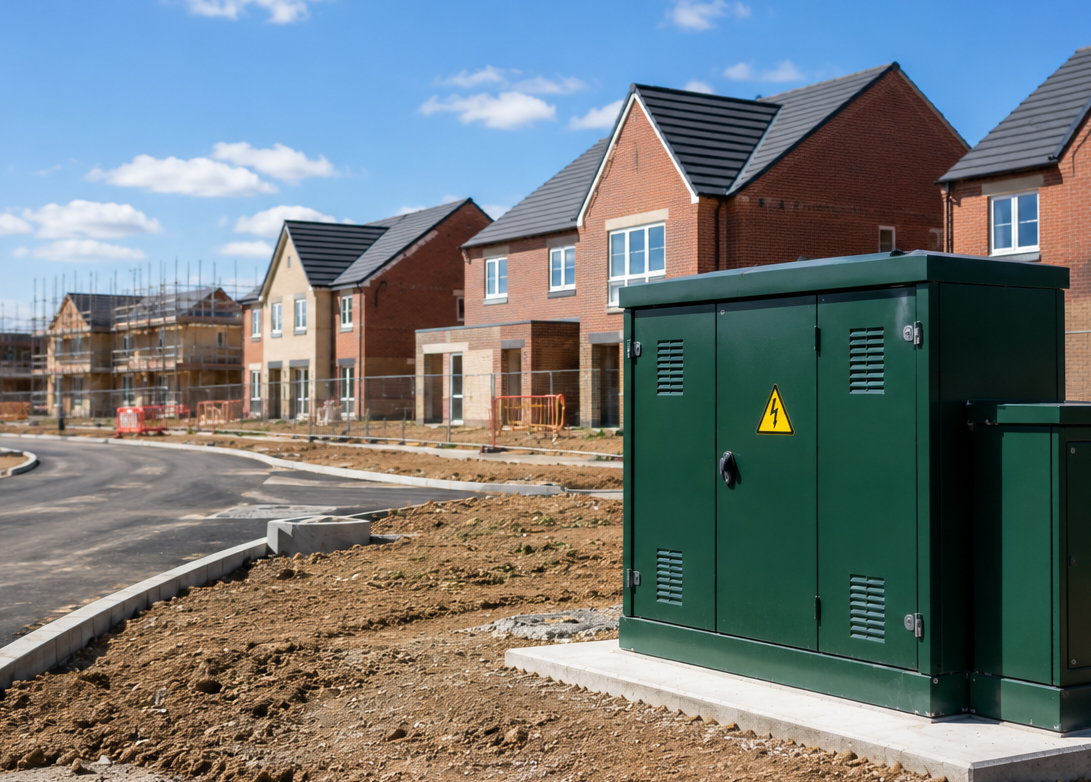
Utility infrastructure is one of the most important – and often most complex – parts of delivering a successful development project. Electricity, gas and water connections all require careful planning, approvals from network operators and coordinated installation alongside the wider construction programme.
Traditionally, these services have been delivered separately, often involving multiple providers, contractors and approval processes. While this approach can work, it can also introduce additional complexity, delays and coordination challenges.
For many developers across the UK, multi-utility installation is becoming the preferred approach to managing infrastructure delivery more efficiently.
By coordinating electricity, gas and water infrastructure under a single delivery model, developers can reduce risk, improve programme certainty and streamline the installation process.
Why Utility Infrastructure Can Cause Delays
Utility infrastructure is often one of the final stages before properties can be occupied. If infrastructure installation or connection approvals are delayed, this can impact handover dates and wider development timelines.
Several factors commonly contribute to these delays.
Multiple Utility Providers
When infrastructure is delivered separately, developers may need to coordinate between electricity providers, gas networks and water companies.
Each organisation operates with its own processes, approval requirements and delivery timelines. Managing these stakeholders simultaneously can create additional complexity within the project.
Separate Design and Approval Processes
Utility infrastructure typically requires detailed design work and approvals from relevant network operators.
When electricity, gas and water services are designed independently, approval processes may not align with the wider construction programme, creating delays to installation.
Infrastructure Installation Sequencing
Separate contractors installing different utilities can create logistical challenges on site. Trenching works, installation schedules and connection timelines may not always align efficiently.
These issues can introduce disruption to the build programme if infrastructure works are not carefully coordinated.
The Key Advantages of Multi-Utility Installation
A multi-utility delivery model helps address many of the challenges associated with traditional infrastructure delivery.
By coordinating multiple services through a single provider, developers benefit from a more streamlined and efficient process.
Single Point of Contact
One of the most significant advantages of a multi-utility approach is having a single point of contact responsible for coordinating infrastructure delivery.
Instead of managing multiple providers, developers work with one partner who oversees the design, approvals and installation of all utility services.
This simplifies communication and improves project oversight throughout the development lifecycle.
Better Programme Coordination
When electricity, gas and water infrastructure are delivered through separate providers, installation timelines can sometimes conflict with each other or with the wider construction schedule.
A multi-utility provider can coordinate infrastructure works so that they align with the development programme, reducing delays and improving overall project efficiency.
More Efficient Installation
Multi-utility infrastructure can often benefit from shared trenching and coordinated civil works.
Instead of excavating multiple trenches across a site for different utilities, infrastructure installation can sometimes be planned in a way that reduces ground disruption and improves installation efficiency.
This can be particularly beneficial for larger residential developments where infrastructure installation must be carefully managed alongside other construction activities.
Improved Cost Visibility
Infrastructure costs can sometimes change during a development project due to network capacity constraints, design changes or reinforcement requirements.
A coordinated multi-utility approach allows developers to gain earlier visibility of potential infrastructure requirements, helping them plan budgets more effectively.
Early engagement with a utility partner can also help identify any potential challenges before installation begins.
Early Identification of Network Constraints
Electricity networks in particular can sometimes require reinforcement where existing capacity is insufficient for a new development.
Identifying these requirements early in the planning process allows developers to understand potential timelines and costs associated with network upgrades.
Multi-utility providers often conduct early feasibility assessments that help highlight potential infrastructure constraints before construction begins.
Why Early Infrastructure Planning Is Critical
Utility infrastructure should be considered as early as possible in the development lifecycle.
When developers engage with infrastructure specialists during the early planning stages, it becomes much easier to align utility delivery with the overall construction programme.
Early planning can help developers:
• Understand connection capacity and infrastructure requirements
• Identify potential reinforcement or upgrade needs
• Coordinate installation with site construction activities
• Reduce the risk of unexpected delays during later stages of development
For large residential or mixed-use developments in particular, early infrastructure planning can significantly improve project outcomes.
Supporting Developers with Coordinated Infrastructure Delivery
As development projects become larger and more complex, the need for coordinated infrastructure delivery continues to grow.
Multi-utility installation offers developers a more efficient and commercially effective way to manage electricity, gas and water connections across a development.
By working with a specialist multi-utility provider, developers can benefit from:
Simplified infrastructure coordination
• Greater programme certainty
• Earlier identification of network constraints
• More efficient installation across the site
Ultimately, a coordinated multi-utility approach (Link to Tier 1 Blog) allows developers to focus on delivering their projects while ensuring that essential infrastructure is installed safely, efficiently and in alignment with the wider construction programme.
If you have experienced delays in your development projects or are currently planning a new development and want to streamline your utility infrastructure, speak with the team at CSG Utilities to discuss your project requirements.